All Categories
Featured


Exceeding California Water Requirements for Commercial Land
Table of Contents
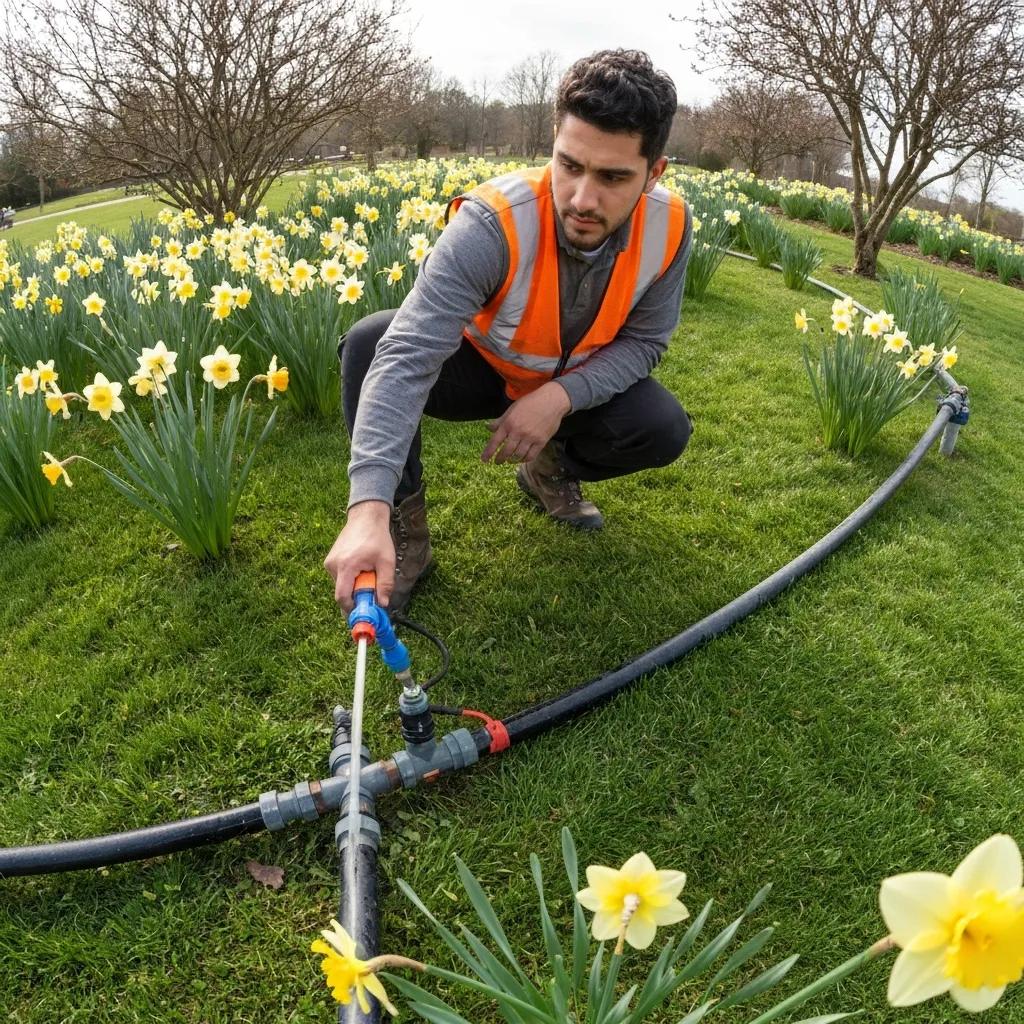
Drip irrigation provides water directly to the base of plants through a network of tubes and emitters. Mulch is a garden enthusiast's finest friend when it comes to water conservation.
Mulch acts as an insulator, preventing water from evaporating too rapidly in the sun. It also suppresses weed development, decreasing competition for water resources.
It's an eco-friendly and affordable method to minimize your dependence on traditional water sources and lower your water expense. Including these water-saving strategies into your garden and landscaping not only benefits the environment however likewise your wallet. As you work to save water outdoors, don't forget to think about the effect of your water-softening system on overall water usage.
Why Smart Irrigation Systems Boost Landscape ROI
Conventional water softeners can waste a substantial quantity of water throughout the regrowth process, but our salt-free alternatives operate without this excessive water use. By picking a salt-free water softener, you're making a mindful effort to lower water waste in your home while still delighting in the benefits of soft, premium water.
Let's collaborate to develop a lovely and water-efficient landscape while safeguarding our world's valuable resources. Contact us today to begin!.
Attentively managing water can not just help save this important natural resource but can likewise assist you conserve money. Water supports whole environments and sustains our lives.
Innovative Water Saving Technology for Drought-Resistant Environments
Reducing runoff and lessening the quantity of water that adds to flooding Reducing the overall cost of landscape irrigation Less reliance on pricey potable water for irrigation (when moving to other sources) Water doesn't simply keep us hydrated and assist plants grow. Water functions can likewise supply a calming, enjoyable space for relaxation, tension decrease, and reflection.
Numerous communities across the country face difficulties regarding the supply and schedule of water for these services. Utilizing water wisely and effectively in addition to planning imaginative and corrective usages for water in the landscape will resolve the value of restoring and maintaining natural water systems and will create stronger psychological and physical connections between individuals, water, and local environment.
: The seepage and runoff of rainwater is straight influenced by the quantity of impervious surface area. Locations with a high percentage of invulnerable surface areas, such as metropolitan enterprise zone, experience a greater volume of runoff. View figure long description. Driveways covered with materials such as crushed seashells or locally sourced gravel, for instance, are much more sustainable than those topped with coal tar sealants.
Meeting SoCal Conservation Requirements for Commercial Land
In developed areas, however, much of the land has actually been paved over, and the soil itself is often compressed and impervious. Rain flows from our roofs into gutters and downspouts, over compacted lawns and driveways, onto roads, and down storm drains pipes selecting up pollutants all along the way. Researchers have actually discovered runoff from developed land to be the leading cause of water contamination in metropolitan areas.
Excess nutrients from overuse of fertilizer can cause algal flowers when fertilizer runs as part of stormwater. When algae die and decompose, they lower oxygen levels, making it tough for fish and other water life to make it through. Insecticides and herbicides present in stormwater from runoff can poison water life, while land animals and people can become sick from eating contaminated fish and shellfish or drinking pesticide-contaminated water.

Excess fertilizer spread on driveways, sidewalks, streets or other resistant surfaces need to be collected and properly gotten rid of before it has a chance to pollute stormwater. Animal waste contributes to water pollution and should be gotten rid of effectively. Feces contains germs and other matter that pollutes our waterways and can hurt human health.
Future-Proofing Property Gardens With 2026 Technology
Rock salt can seep into soil, changing its chemical structure. It is hazardous to delicate plants and can poison fish and water organisms after streaming into local waterways as part of stormwater runoff.
Magnesium chloride is safer to utilize near plants than rock salt (however less efficient in extremely cold conditions). Automobiles deposit contaminants such as oil and gas, as well as particles from brake linings, tires, and engines onto paved surfaces. These toxins are washed off by rains and transported into storm drains, typically ending up in regional waterways.

Latest Posts

Expert Irrigation System Design and Planning for 2026

24/7 Landscape Services in SoCal
Strategic Water Conservation for Commercial Real Estate