All Categories
Featured


The Proven Guide to Commercial Landscape Maintenance
Table of Contents
Water preservation is a critical aspect of developing and keeping sustainable landscapes, particularly in areas susceptible to dry spell or where water resources are limited. Sustainable landscaping practices not only conserve water but also lower maintenance, promote biodiversity, and produce resilient communities. A landscaping method designed to decrease water use by picking drought-tolerant plants, minimizing yard areas, and implementing efficient watering practices.
Group plants with comparable water requires together (hydrozoning). Include hardscaping aspects like patio areas, pathways, and stone functions to reduce water requirements.
Commercial Irrigation Design SupportThese gadgets adjust watering schedules based on weather, soil moisture levels, and plant needs, enhancing water use. Water during the early morning or late night when temperatures are cooler to minimize evaporation. Collect rainwater from roofs and store it for later use in gardens and landscapes. Simple to install and utilize, rain barrels minimize dependence on local water materials.
They minimize disintegration and improve water quality. Mulch helps retain soil wetness, reduce evaporation, reduce weeds, and enhance soil health as it disintegrates.
Modern Water System Design Practices for New Projects
Adding natural matter, such as garden compost, leaf mold, or well-rotted manure, improves soil health and its capability to retain wetness, lowering the requirement for frequent watering. These alternatives need less water, fertilizer, and upkeep.
Native plants normally need less water, fertilizer, and pesticides than non-native types. Select plants understood for their capability to thrive in low-water conditions, such as succulents, lavender, and ornamental grasses. Greywater is the reasonably tidy wastewater from baths, sinks, cleaning makers, and other cooking area appliances. It can be reused for watering purposes, minimizing the need for fresh water.
Make sure that just biodegradable, non-toxic soaps and detergents are used to prevent damaging plants. Group plants with comparable water requirements together to enhance irrigation performance. Place high-water-use plants in locations where water naturally builds up, such as low areas in the garden, and drought-tolerant plants in drier areas. Design the landscape to follow the natural shapes of the land, which helps decrease water overflow, enabling it to soak into the soil and reach plant roots.
These materials allow water to penetrate the ground, decreasing runoff and charging groundwater. Plant trees and shrubs to produce shade and windbreaks, which lower water evaporation from soil and plants.
Frequently get rid of weeds that complete with plants for water and nutrients. Prune plants to get rid of dead or diseased wood and to keep plant health. Appropriate pruning can minimize water need by decreasing plant tension.
Innovative Grounds Management for Educational Campuses
Prevent over-fertilizing, as it can increase water needs and cause nutrient overflow. Utilize integrated pest management (IPM) strategies, such as motivating advantageous insects and utilizing organic pest control methods, to reduce the requirement for chemical pesticides that can harm soil and water quality. Minimizes water usage, reduces water bills, and decreases the stress on local water resources.
Sustainable landscapes are more resistant to drought, severe weather condition, and environment modification, guaranteeing long-term success. Creates gorgeous, low-maintenance landscapes that are harmonious with the local environment. By adopting water conservation methods and sustainable landscaping practices, you can produce a garden or landscape that is not only environmentally friendly but likewise lovely, productive, and much easier to preserve.
Embracing landscaping water preservation methods like xeriscaping, drip watering, rainwater harvesting, and using native plants helps address water scarcity and enhances sustainability. Water the yard or garden throughout the coolest part of the day (early morning is best).
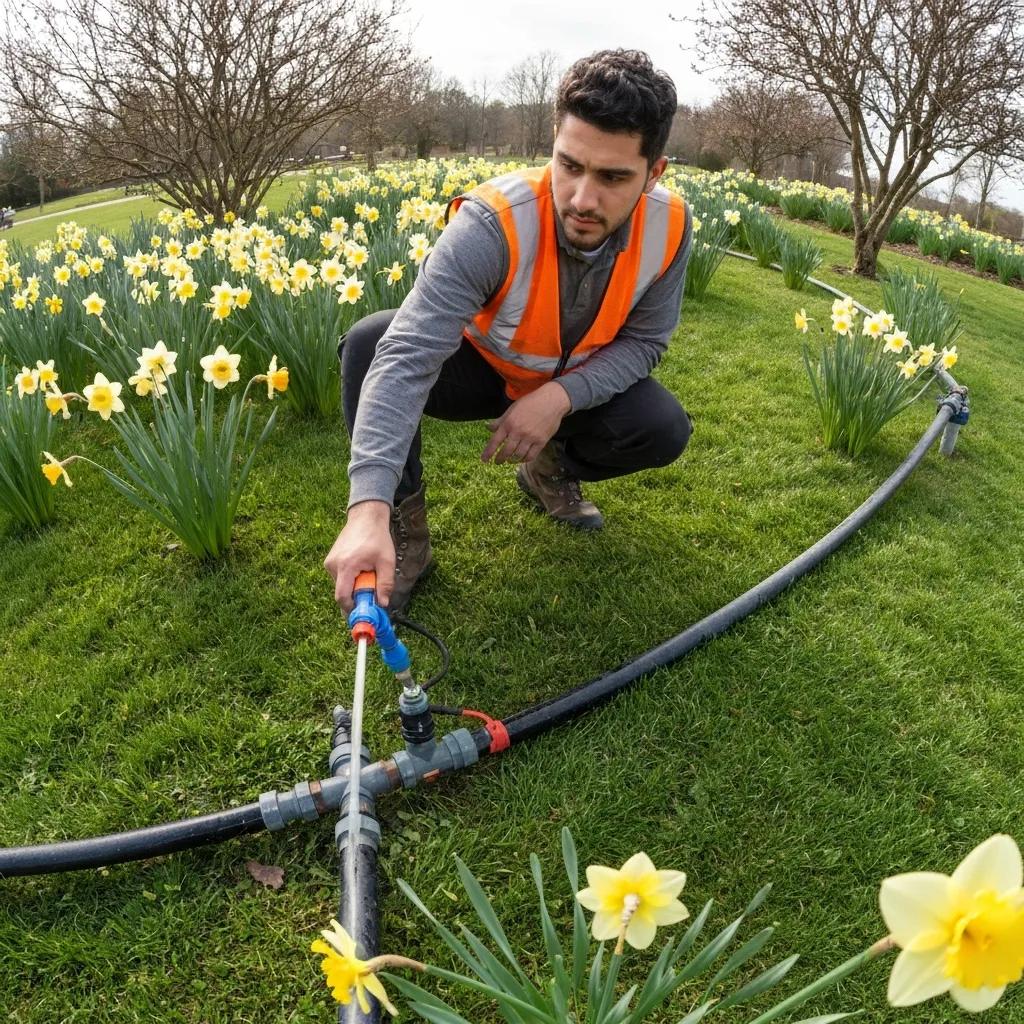
Water trees and shrubs with deep root systems less frequently, however with larger amounts of water. Shallow-rooted plants, on the other hand, need smaller sized amounts of water regularly. Set sprinklers to water the lawn or garden just not the street or sidewalk. Use soaker pipes and trickle irrigation systems.

Latest Posts

Expert Irrigation System Design and Planning for 2026

24/7 Landscape Services in SoCal
Strategic Water Conservation for Commercial Real Estate